Missing Teeth: What Are Your Options and What Actually Works Long Term?
Losing a tooth can affect more than just your appearance.
Depending on the location of the missing tooth, it may affect chewing, speech, confidence, and the way your teeth fit together.
One of the most common questions patients ask is whether a missing tooth actually needs to be replaced.
Do I Need to Replace a Missing Tooth?
Not always immediately, but leaving a gap can sometimes lead to changes over time.
Potential consequences may include:
Shifting of neighbouring teeth
Changes to your bite
Difficulty chewing certain foods
Increased wear on other teeth
Cosmetic concerns, particularly in visible areas
The impact varies depending on which tooth is missing, your overall dental health, and whether other teeth are already absent.
What Are the Options for Replacing a Missing Tooth?
Several treatment options are available, each with advantages and limitations.
Dentures
Dentures are removable appliances that replace one or more missing teeth.
They are often the most affordable replacement option and can be a suitable solution in many situations.
Modern dentures are generally more natural-looking and comfortable than many people expect.
Dental Bridges
A bridge is a fixed replacement that uses neighbouring teeth for support.
Bridges can provide good aesthetics and function, but they rely on the supporting teeth remaining healthy and strong.
For some patients, a bridge can be an excellent long-term solution.
Dental Implants
Dental implants are designed to replace the root of a missing tooth and support a crown above the gum line.
They do not rely on neighbouring teeth for support and are often considered one of the most natural-feeling tooth replacement options.
However, successful implant treatment requires careful planning, sufficient bone support, and appropriate oral health.
If you're unsure which option may be suitable for you, that's completely normal. Most patients need help understanding the advantages and limitations of each approach.
What About Temporary Options?
A temporary removable replacement, often called a flipper tooth, may be used to fill a visible gap while a long-term treatment plan is being considered.
This can be particularly helpful when appearance is a concern.
Which Option Works Best Long Term?
There is no single solution that is best for everyone.
The most appropriate option depends on factors such as:
The position of the missing tooth
Bone and gum support
The condition of neighbouring teeth
Budget considerations
Long-term expectations
General oral health
For some patients, a dental implant may be the preferred solution. For others, a bridge or denture may be entirely appropriate.
The goal is to choose an option that balances function, appearance, maintenance requirements and long-term predictability.
Can Payment Options Make a Difference?
For larger treatment plans, payment options can sometimes make long-term solutions more accessible.
Depending on your circumstances, options such as Afterpay, Q Card and Southern Cross Easy Claim may be available.
Our team can discuss the payment methods currently accepted and help you understand the costs associated with different treatment options.
How Do I Choose?
Choosing a tooth replacement option is not simply about selecting a treatment.
It involves understanding the advantages, limitations, maintenance requirements and expected outcomes of each option.
A consultation allows us to assess your individual situation and explain which options may be suitable for your needs and goals.
Next Step
If you have a missing tooth or are considering replacing one, a consultation is the best place to start.
We can assess the area, discuss the available options, and help you determine which approach makes the most sense for your circumstances.
About the Author
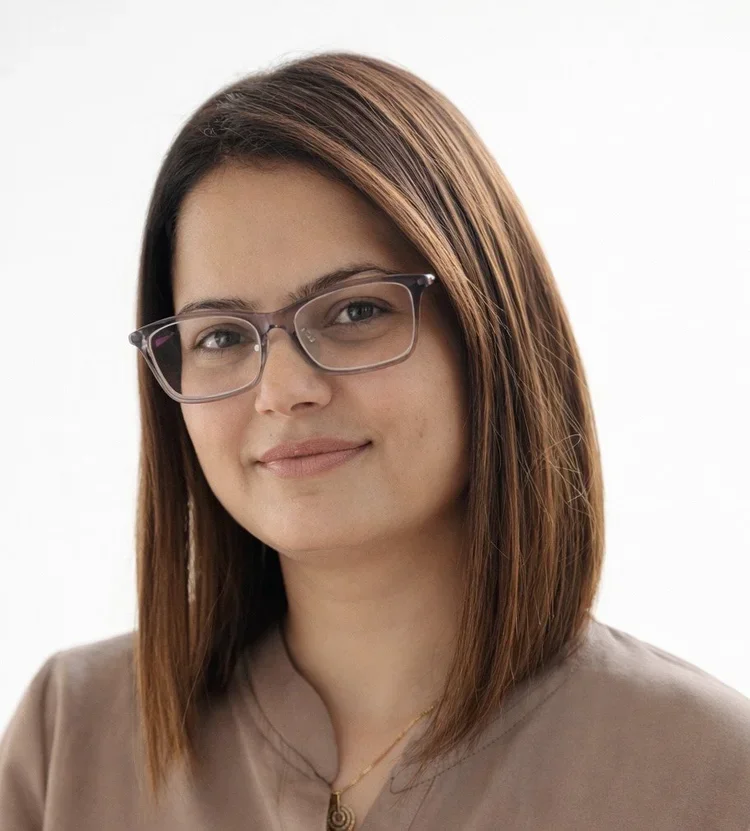
Dr Swati Rathore is the Principal Dentist at Prestige Dental in Silverdale, Auckland. She provides a wide range of general and restorative dental treatments and is committed to helping patients make informed decisions about their oral health through clear, evidence-based advice. She regularly discusses dental implants, bridges and dentures with patients seeking solutions for missing teeth.